

In less than two years, the NCAA fined the program over $20 million, put it on probation for four years, and sentenced former head coach Jim Harbaugh to ten years of show-cause. The key employee in the operation, Connor Stalions, was given an eight-year show-cause order. Additionally, the lawsuits—which are now plural—continue to proceed through the legal system.
In hindsight, the sign-stealing plan itself was not subtle. Over the course of three years, Stalions, an administrative specialist at Michigan, bought tickets in his own name to over thirty games at eleven different Big Ten schools. He also sent what the NCAA later described as a group he called the “KGB” to record the sideline signals of opposing teams. On the sidelines of a Central Michigan game, he was spotted in disguise. He called the footage his network collected “dirty film” during a recorded call. In the end, the NCAA found that the plan had scouted at least 13 potential opponents over 52 games. The infractions panel stated that because of the deliberate destruction and withholding of materials, the “true scope and scale” would never be known.
The ensuing legal tale has taken on a life of its own. Chris Partridge, a former linebackers coach who was officially fired in November 2023 for allegedly instructing players on how to react to investigators, filed a wrongful termination lawsuit in March 2026, which became much more complicated by July. According to the amended complaint, evidence of Stalions’ sign-stealing operation was found as early as January 2023 by former university president Santa Ono and athletic director Warde Manuel. Not in the season. Not following it. prior to it.
A hard drive owned by former offensive coordinator Matt Weiss, who was subsequently accused of 24 crimes involving hacking into female athletes’ accounts and stealing private photos, is said to have been the source of that discovery. According to Partridge’s lawsuit, Ono instructed staff members not to take notes during the Weiss investigation in order to prevent potential disclosure. If this is accurate, it raises issues that go far beyond a violation of football regulations. In August 2025, Partridge was found not guilty by the NCAA. He currently plays for the Seattle Seahawks and doesn’t seem to want the situation to end quietly.
If the lawsuit’s timeline is correct, it’s difficult to ignore how the entire championship season is reframed. Under NCAA scrutiny, Michigan played through the 2023 season. The Big Ten suspended Harbaugh for three games while the investigation continued concurrently with the team’s championship run. Charlie Baker, the president of the NCAA, subsequently stated that Michigan won the title “fair and square.” Later, the infractions committee disagreed, concluding that infractions took place over several seasons. It is still unclear and genuinely unsettling whether those infractions had a significant impact on game outcomes, something the committee acknowledged could never be fully known.
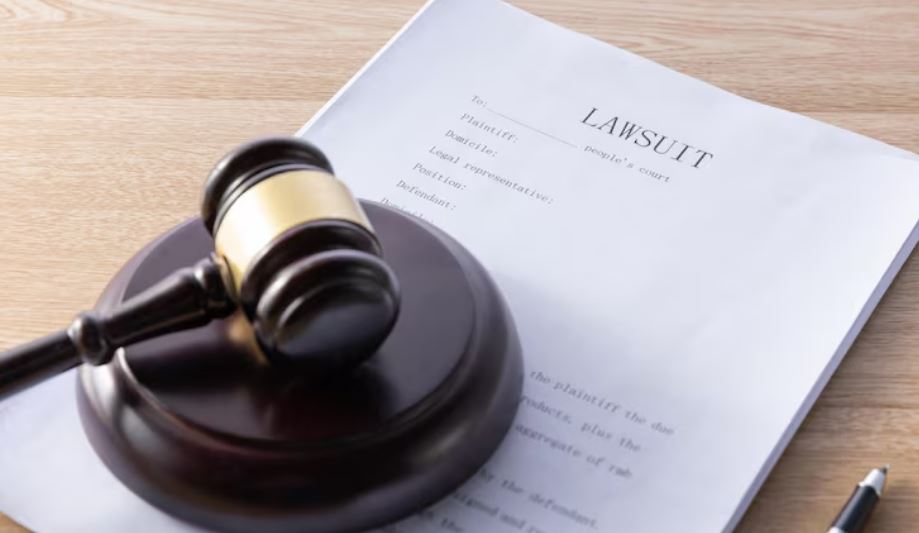
A second lawsuit gives the narrative a new angle. In August 2026, Joey Velazquez, a former Michigan linebacker who transferred to Ohio State, sued CBS Detroit in Manhattan Supreme Court for defamation. An anonymous student-athlete was identified in a September 2025 CBS News Detroit report as having secretly recorded Stalions, lied to the NCAA, and allegedly told investigators that Partridge had told players not to cooperate. The report never mentioned Velazquez.
According to his lawsuit, the CBS description made him instantly recognizable because it was already widely known that he was the player who recorded Stalions, and the consequences were dire. He and his family received about 5,000 hateful messages, including threats of death, according to court documents. Additionally, he says professional teams lost interest in him as a result of the coverage.
Compared to Partridge, Velazquez has a more difficult legal path. The fact that CBS chose not to specifically name the plaintiff will be crucial to that battle because courts usually demand that a defamatory statement be about the plaintiff. Nevertheless, the lawsuit illustrates the extent to which the scandal’s harm has spread, even to those who may have only had a minor role in it or whose names were never mentioned in the initial reporting but were nevertheless caught up in the fallout.
Observing all of this in various courts gives the impression that Michigan’s legal exposure from the sign-stealing era is far from over. If the Partridge claim gains traction, it could completely alter how people remember the championship. It claims that university leadership knew, remained silent, ordered no paper trail, and then sacrificed a subordinate to handle the political fallout with the Big Ten.
