

The ten-month-old had displayed signs of a stomach ailment the previous evening, including vomiting and refusing to nurse. She appeared to be getting better by five in the morning. She vanished after two hours. The cause of death was later ascertained by medical examiners: a single water bead that had been swallowed at some point had grown inside her digestive system and resulted in a fatal intestinal blockage.
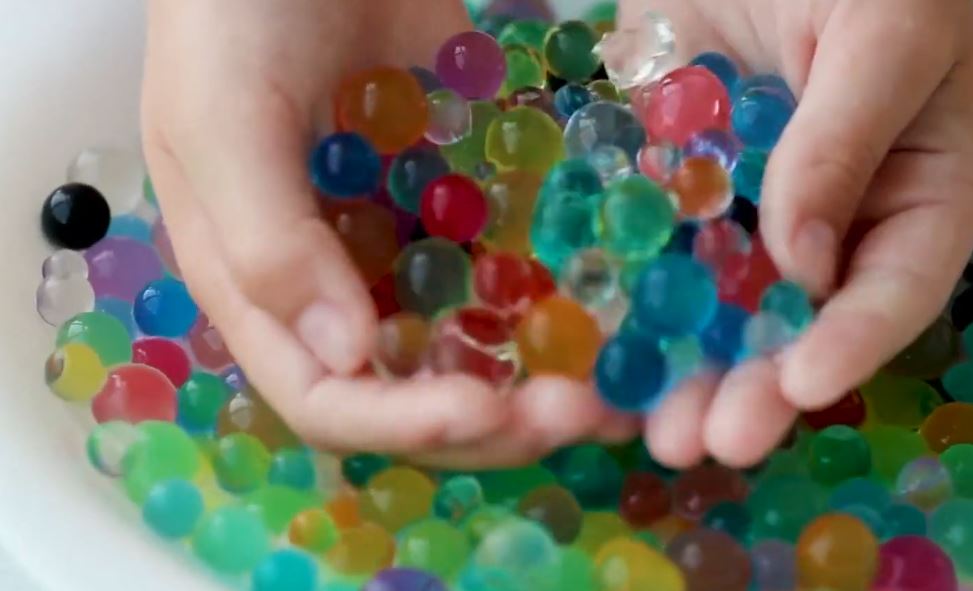
The Chuckle & Roar Ultimate Water Beads Activity Kit water bead set was bought from Target in April of 2022. It was purchased for the elder siblings of Esther Jo. The family never intended for it to be close to their infant, kept it on a high shelf when not in use, and watched over its use with the older kids. That didn’t matter at all. When dry, the beads are tiny and colorful; a baby might find them and put them in her mouth without thinking twice.
The timeline is what makes the Target water beads lawsuit especially challenging to accept. Eight months prior to Esther Jo’s passing, in November 2022, Target and Buffalo Games, the product’s manufacturer, had quietly decided to take the Chuckle & Roar kits off the shelves.
This choice was made in response to an instance where a different baby needed surgery after ingesting one of the same beads. Buffalo Games stated in internal emails cited in the lawsuit that they wished to “avoid any future unintended misuse of the product.” The removal was internally categorized by Target as a “safety removal.” Families who had already purchased the product and kept it in their homes were not contacted.
After an earlier filing in Erie County, New York, was rejected on jurisdictional grounds, Taylor and Tyler Bethard filed their lawsuit in Hennepin County, Minnesota, in July 2026. According to the lawsuit, Target removed the product from sale because it was known to pose a serious risk to young children, but did nothing to alert customers who already owned it.
“With all this information, Target didn’t do anything to reach out to the family or other consumers to let them know about this problem,” stated their lawyer Daniel Mann. Ten out of ten people, I believe, would argue that Target should have done more than what they did, which was nothing.
It is difficult to write off the product’s risk as marginal or unpredictable given the numbers supporting the case. Between 2017 and 2022, the U.S. Consumer Product Safety Commission documented about 6,300 injuries related to water beads in emergency rooms. It wasn’t until September 2023, roughly two months after Esther Jo’s passing, that the CPSC officially recalled the Chuckle & Roar kits. Since then, Target, Walmart, and Amazon have all ceased selling water beads to kids. New rules limiting bead size have also been established by the CPSC. The Bethard family didn’t receive any of it in time.
It’s important to note what a post-purchase warning would have actually needed: a notification system that retailers regularly use for other recalls, an email list, and a phone number. The transaction records were at Target. Target was aware of which consumers had purchased the item. A complex failure is not alleged in the lawsuit. It makes a simple accusation: a business that was aware of a risk, discontinued the product covertly, and then ignored families who had no reason to suspect anything was amiss.
Since then, Taylor Bethard has transformed her sorrow into something more enduring. She collaborated with Senator Tammy Baldwin of Wisconsin to advance federal legislation that would outlaw water beads indefinitely. That endeavor now bears her daughter’s name, which is both poignant and extremely depressing. The lawsuit is still pending. Target has only expressed its “deepest sympathies” to those impacted by the ongoing legal dispute, refusing to comment on it.
