

One of those consumer situations where the underlying engineering issue is more intriguing than the legal one is the Nectar mattress fiberglass story. A significant portion of the bed-in-a-box market used woven fiberglass as a flame retardant for nearly four years, from 2018 to 2022. The logic was simple: fiberglass is inexpensive, lightweight, and efficient, memory foam is extremely flammable, and federal fire safety regulations need a barrier. The fiberglass was placed into an inner sleeve just beneath the soft, washable outer cover, which was a catch that most customers were unaware of in the marketing language. There was a zipper on the cover. The issue was with the zipper.
Many consumers opened the cover to wash it, just as mattress manufacturers had discreetly advised. The bed was occupied by pets. Juice was spilled by children. Apartments were relocated. The inner sleeve was tugged with each unzipping. The sleeve would occasionally rip. Glass fibers occasionally found their way through the cloth by themselves, particularly with time. The fragments are hardly undetectable. They move through HVAC systems just as easily as dust. They become embedded in carpets, clothes, and upholstery. Families affected by contamination have compared it to a flood: a lengthy and costly cleanup, occasionally the loss of all the soft goods in an apartment, and an odd lingering uneasiness about a piece of furniture they slept on every night.
The focus of the class actions, which are grouped under banners monitored by websites such as ClassAction.org, is more on whether buyers were sufficiently informed that the cover was essentially a sealed component than on whether fiberglass satisfies federal flammability criteria. Nectar used care label language regarding glass fiber content, just like a number of other brands from the same era.
The plaintiffs contend that the warnings were hidden in small print, did not show up in marketing materials, and most definitely did not clarify that the consumer would be exposed to a dangerous chemical if they unzipped the washable cover, a feature that was openly marketed as a selling point. Since then, Nectar has completely eliminated fiberglass from its product lineup—a business change that usually recognizes an issue without recognizing it.
Perhaps the industry as a whole is progressing more quickly than the courts. A number of boxed mattress manufacturers have switched to flame barriers made of wool or rayon, which satisfy safety requirements without posing a risk of contamination. The pricing has held up very well, indicating that the initial rationale for fiberglass—cost—was not as firmly established as the supply chain had suggested. Early adopters are already touting the lack of fiberglass as a selling feature, which is a subtle acknowledgement that the issue was significant enough to set them apart.
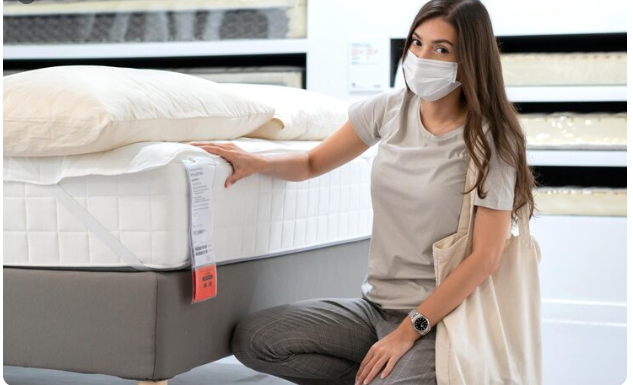
The immediate advice is useful but unglamorous for customers. The first thing to look for is the mattress care label. If it says “glass fiber” or “fiberglass,” the outer cover must remain zipped. Consumers who have already encountered contamination, particularly with older Nectar units or similar brands, have had some success getting in touch with customer service. In numerous instances, refunds and replacements have been provided, especially when customers brought up the paperwork issue. Federal incident reports typically contribute to regulatory pressure over time, and the CPSC’s SaferProducts webpage is accessible for individuals whose complaints do not proceed through customer service.
As you watch this tale develop, you get the impression that this kind of reckoning was long overdue for the bed-in-a-box revolution. The ingenious logistical realization that a foam mattress could be compressed, transported via UPS, and unboxed in a small apartment without a delivery truck served as the foundation for the industry, and the remainder of the product engineering had to adhere to this restriction. Fiberglass was a good fit.
At first, Wool didn’t. With a hidden engineering shortcut that homes are still cleaning up after, the outcome was a product line that offered convenience at scale. It is questionable if the settlements fairly compensate the consumers caught in the middle. It’s more obvious that the upcoming generation of boxed beds will flaunt their shortcomings nearly as loudly as their features.
