
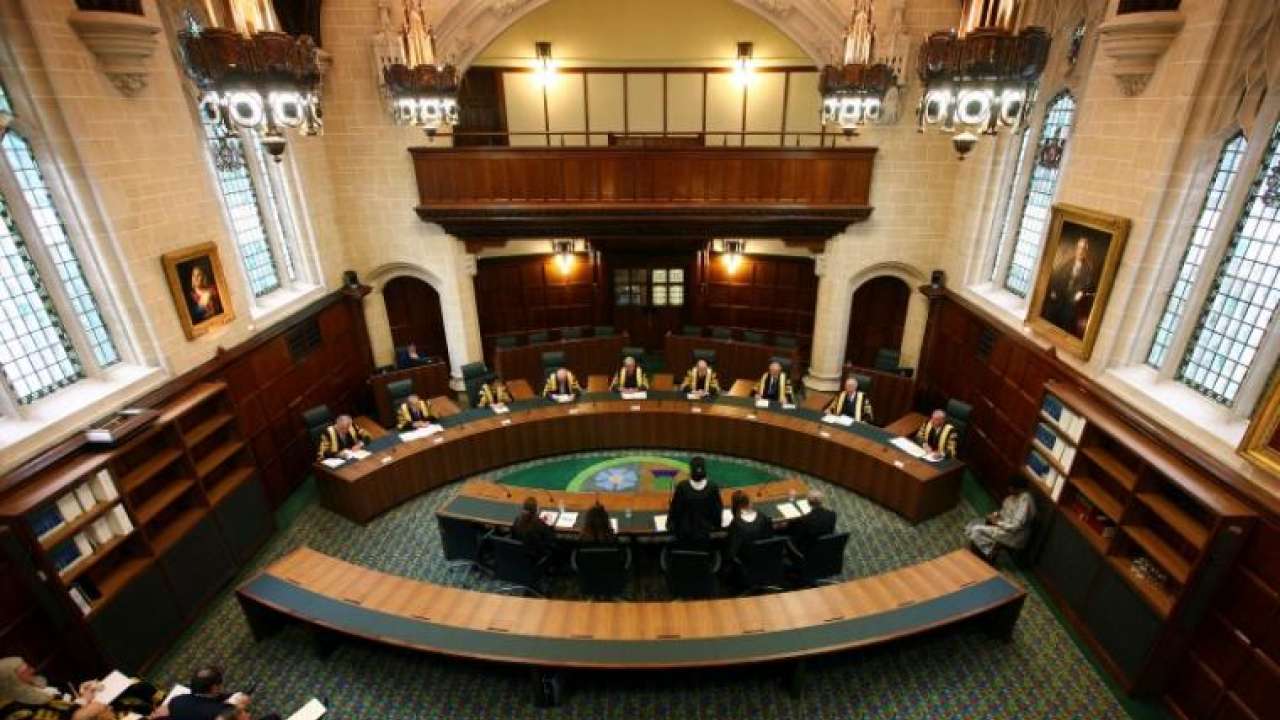

People often don’t realize how important the Crown Court is. It is both a trial court and an appellate court, connecting justice at the local level with higher legal principles. Judges in this area have to handle juries, keep things moving, and make sure everything is fair under pressure. A single witness or a moment of doubt can change the outcome of a trial, and the effects are almost never abstract.
Civil justice goes down a different but similar path. County Courts deal with problems with contracts, personal injury claims, housing issues, and debts. Even though most of their work is hidden, these courts are an important part of daily life. The disagreements are usually not worth much money, but they are very important to the people involved. The way things are done is important, but so is how useful they are.
The High Court is above both criminal and civil trial courts. It is made up of different divisions that focus on different areas of law. This is where things get complicated. Here, you can find judicial review claims, big business disputes, and questions about the Constitution. The High Court cares more about accuracy than volume. Its decisions often affect how people think about the law in ways that go beyond the case at hand.
The purpose of appeals changes. When a case gets to the Court of Appeal, the question is no longer “what happened?” but “what went wrong, if anything, in the law?” It is uncommon to re-examine evidence. Instead, the arguments are about how to interpret the law, how to be fair in the process, and how to use logic. The Court of Appeal is a way to fix things, but it’s also a way to come up with new ideas.
I once sat in the public gallery during a Court of Appeal hearing and was amazed at how calmly the judges took apart months of courtroom drama and turned it into a few legal questions.
The Court of Appeal is a big part of how the law explains itself. Its decisions make rules clearer, fix problems, and show lower courts what to do. A lot of decisions never make it to the public, but they change how justice is served in the country without anyone knowing. Lawyers pay close attention to these decisions because they know they will have effects for years to come.
The Supreme Court is at the top. It is physically separate from Parliament, but the two are linked by the constitution. This court only hears a few cases that are important to the public. It doesn’t fix mistakes that happen all the time. It makes decisions about things that affect how the law works in the US and sometimes in other countries. Its decisions often read more like essays than rulings because they carefully weigh precedent, principle, and consequence.
The Supreme Court’s power comes from trust, not numbers. When it talks, lower courts pay attention. But it is also careful because it knows what its place is in a democracy. It doesn’t want to fight with Parliament, but it also doesn’t shy away from tough decisions. That tension is clear in its most important cases.
This layered system doesn’t create a ladder to climb; instead, it creates a filtering process. Facts are decided early on. Later, the law is made better. When a case gets to the highest levels, personal stories have often faded away, leaving behind rules that will apply to people who haven’t even been born yet. This may be unsettling, but it is planned.
The simple charts that show the UK court system’s hierarchy don’t always show how much each level depends on the others. Magistrates depend on guidance from higher courts. Appellate judges depend on accurate fact-finding at the lower level. Take away one part, and the system breaks down. Every court does its job knowing that someone else may look at it later.
This structure also affects how power is used. Lower courts are easy to get to. Higher courts are examples of self-control. They don’t give orders; instead, they have a conversation. Decisions go up the chain of command, but authority goes down through precedent.
People often think of magistrates, the Crown, and appeal courts as steps that get more important as you go up. In practice, the meaning of importance depends on the situation. A short decision in a magistrates’ court can have a bigger impact on someone’s life than a big decision in the Supreme Court. The system accommodates both realities, albeit imperfectly and consistently.
The mood of the public, political pressure, and social change all affect how UK courts work. But the hierarchy gives them a way to sort through and test those forces. That structure is what keeps the system from falling apart when people criticize it and makes it change slowly even when it feels like it needs to.
To understand the role of UK courts at different levels, you need to think about both their purpose and their jurisdiction. Every court answers a different question. When you put them all together, they make something that seems to make sense, even if the results aren’t clear.
