
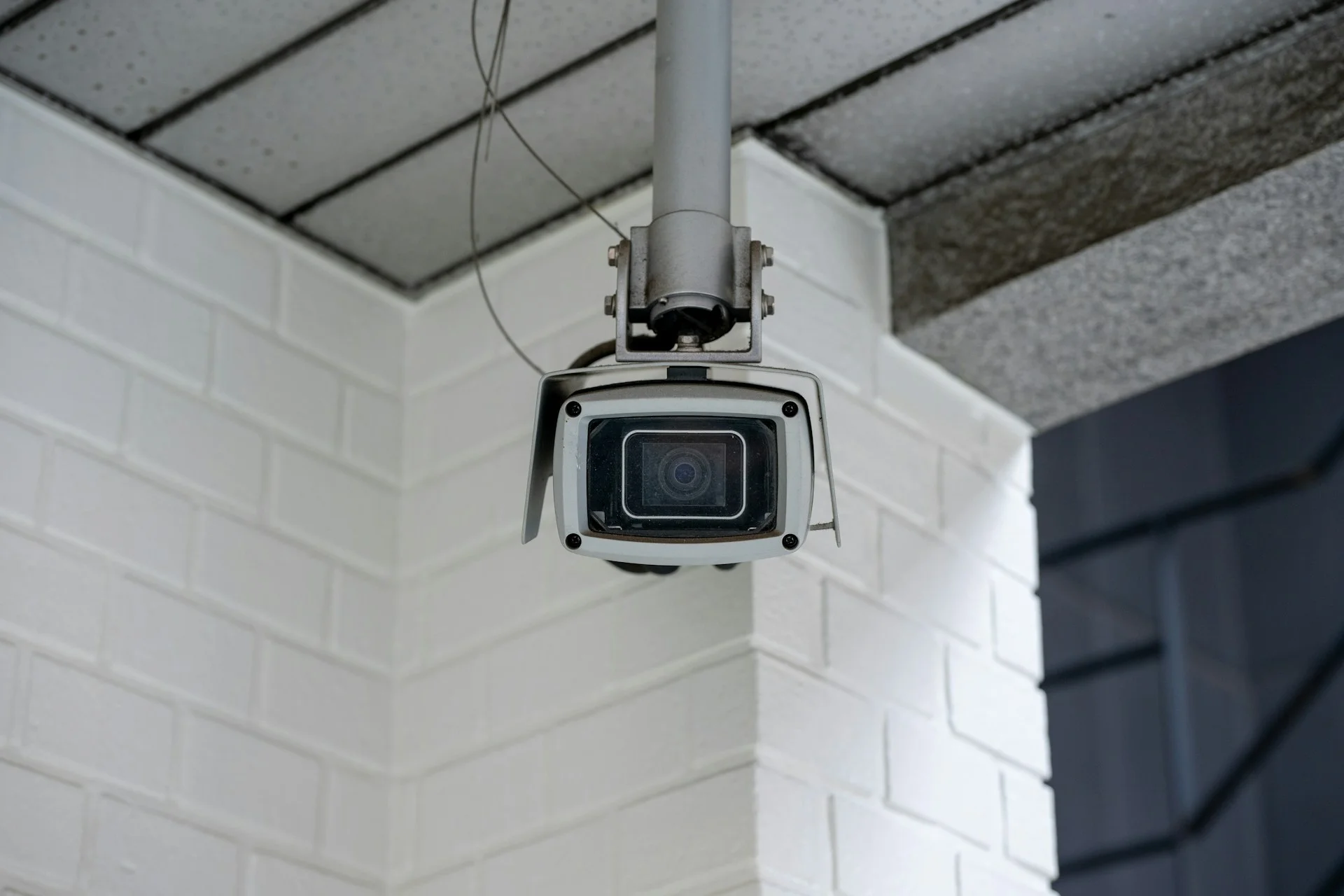

Surveillance has a reputation problem. Mention the word and many people picture hidden cameras, eavesdropping, or someone stepping well beyond legal and ethical boundaries. In reality, properly collected surveillance evidence is usually much less dramatic and much more disciplined. The key question is not whether observation happens, but how it is carried out, why it is necessary, and whether the person collecting it respects the legal limits around privacy and data use.
That distinction matters. Evidence gathered carelessly can be challenged, excluded, or even expose the person behind it to legal trouble. Evidence gathered properly, by contrast, can help clarify disputed facts in family proceedings, workplace investigations, insurance matters, and corporate misconduct cases.
The legal line: surveillance is not a free-for-all
Private investigators do not have special powers
One of the biggest misconceptions is that private investigators enjoy powers ordinary citizens do not. They do not. In the UK, investigators are generally bound by the same laws as everyone else, which means they cannot trespass, harass, hack devices, impersonate police, or install intrusive equipment wherever they please.
The legal framework is shaped by several overlapping principles. Privacy rights matter, especially where a person has a reasonable expectation of privacy. Data protection rules matter when personal data is recorded, stored, or shared. Harassment laws matter if monitoring becomes repeated, oppressive, or intimidating. And basic civil and criminal law still applies, so entering private property without permission or secretly accessing private communications is not magically excused because someone wants evidence.
In practice, lawful surveillance tends to rely on observation from public places or locations where the observer has a right to be. If someone is seen entering a building, meeting a contact in a car park, or carrying out work in public despite claiming otherwise, that may be fair game to document. Recording inside a private home, peering through windows, or tracking someone obsessively is a very different matter.
What lawful surveillance actually looks like
Necessity, proportionality, and purpose
Good surveillance begins before anyone picks up a camera. The first step is deciding whether the activity is necessary and proportionate to the issue being investigated. Is there a legitimate reason to gather evidence? Is surveillance the least intrusive way to establish the facts? Is the scope narrow enough to avoid collecting irrelevant personal information?
Those questions are not just box-ticking. They are what separates a lawful fact-finding exercise from fishing for dirt.
This is why businesses, solicitors, and private individuals dealing with sensitive disputes often turn to professional fact-finding services for personal and corporate matters rather than improvising. Experienced investigators understand that the job is not simply to “get something on camera.” It is to gather relevant information in a way that can withstand scrutiny later.
Public observation vs. intrusive monitoring
Most lawful surveillance falls into a few familiar patterns:
- observing someone in public spaces
- photographing or filming conduct visible from a lawful vantage point
- noting times, locations, and patterns of movement
- corroborating witness statements with independent observation
Notice what is missing from that list: hidden devices in private spaces, audio interception of private conversations, and constant tracking without a lawful basis. Those methods create legal risk quickly.
A useful rule of thumb is this: the more intrusive the technique, the stronger the justification must be, and the more likely it is that the line has already been crossed. Following someone discreetly for a limited period in a public place may be lawful. Recording them in a bedroom or listening in on phone calls almost certainly is not.
How evidence is documented so it stands up
Time stamps, continuity, and context
Collecting lawful evidence is only half the job. The other half is preserving it properly. A photo with no date, a video clipped out of context, or notes written days later can create as many questions as they answer.
Professional surveillance records usually include contemporaneous notes: where the observer was positioned, what was seen, when it happened, and how the subject was identified. Images and video should retain original metadata where possible. Reports should explain context clearly rather than relying on dramatic interpretation.
That matters because surveillance evidence is often used alongside other material, not in isolation. A short clip may support payroll records, vehicle logs, access control data, or witness testimony. On its own, even accurate footage can be ambiguous. Combined with a properly documented timeline, it becomes far more useful.
Why editing can ruin a strong case
Editing is one of the easiest ways to weaken otherwise solid evidence. Cropping, compressing, adding captions, or stripping out timestamps may seem harmless, but it can raise doubts about authenticity. If evidence is going to be relied on in court, disciplinary proceedings, or an internal investigation, the original material should be preserved and the handling process should be traceable.
In other words, credibility is built through method, not drama.
Common mistakes that cross the line
Surveillance usually becomes unlawful not because someone intended a major breach, but because they drifted past the boundary without recognising it. The most common errors are surprisingly ordinary:
- continuing observation for too long, so a legitimate check starts to resemble harassment
- collecting far more information than the issue requires
- filming in places where privacy is reasonably expected
- sharing footage too widely within a business or family dispute
- using tracking tools, hidden recorders, or access methods that invade private communications
The pattern is clear. The problem is rarely observation itself; it is overreach.
The practical takeaway
Evidence is strongest when restraint is built in
The best surveillance work is careful, limited, and boring in the right way. It focuses on relevant facts. It avoids needless intrusion. It keeps records clean. And it assumes, from the outset, that every step may later be questioned by a solicitor, a judge, an employer, or a regulator.
If you are considering surveillance in any personal or corporate matter, that is the mindset to adopt. Ask what you genuinely need to establish. Keep the scope tight. Respect privacy boundaries. And remember that evidence obtained unlawfully can do more harm than good, no matter how revealing it appears.
In the end, lawful surveillance is not about pushing up against the edge of what you can get away with. It is about disciplined fact-finding that holds up because it was collected properly from the start.
