

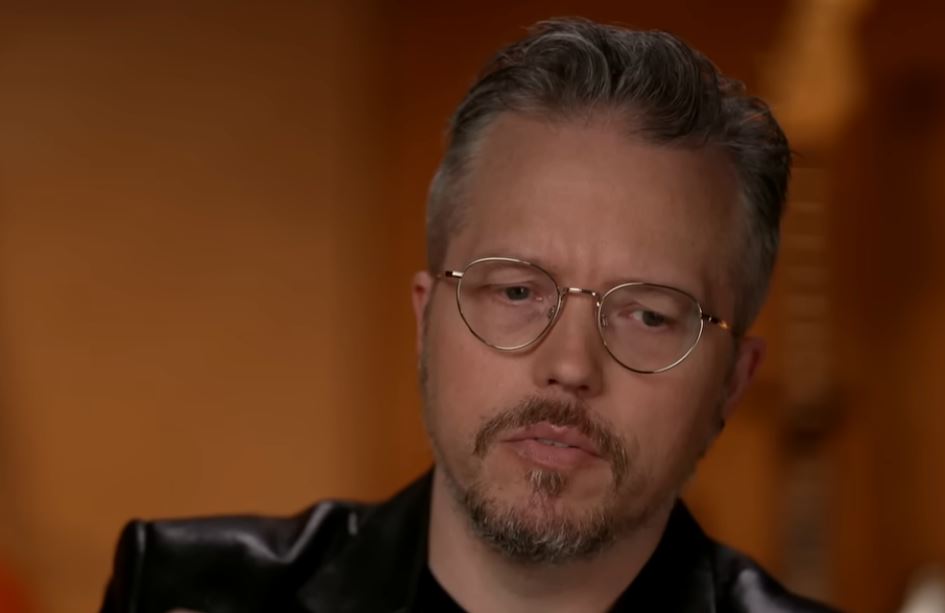
Grammy-winning singer-songwriter Jason Isbell filed a class-action lawsuit against the AI music creation platform Suno in federal court in Massachusetts on September 1, 2026. Carly Simon, Buddy Guy, Common, Chief Keef, and fellow musicians David Lowery, Guy Forsyth, and Eduardo Calle were among the plaintiffs in the lawsuit. That’s a broad variety of musicians and genres, which is probably the point. This is not a specific grievance. It’s an effort to draw a boundary.
The legal theory at the heart of this lawsuit sets it apart from the mountain of copyright infringement cases already piling up against Suno. The main claim made by Isbell and his fellow plaintiffs is not that Suno plagiarized particular songs. They contend that Suno appropriated their identities—their names, voices, and identifiable artistic traits—and used them as commercial tools without their consent. This argument may seem straightforward, but it is more complicated from a legal standpoint. The distinction is crucial to how the case proceeds in court, as the complaint refers to it as musical identity theft.
In order to explain what the plaintiffs think Suno is doing, the filing looks for a memorable analogy. They call forth the Borg, the cybernetic collective from Star Trek: The Next Generation, which is well-known for robbing other species of their unique identities and integrating them into a hive mind. The most famous quote from the Borg is even quoted in the complaint: “Resistance is futile.”
The underlying argument isn’t trivial, but it’s an odd rhetorical move for a federal legal document. The plaintiffs contend that Suno effectively incorporates the identities of artists into its model, enabling users to evoke a recognizable sound or style by merely entering a name into a prompt. They contend that the artists, not the platform, own the commercial value of that.
The complaint contains a particular technical detail that should be taken into consideration. According to Suno, prompts containing artist names are blocked on its platform, which seems like a sensible precaution. However, the lawsuit claims that users can easily get around these filters by using a musician’s legal name rather than their stage name or by typing names with spaces between letters. This type of workaround takes around thirty seconds to figure out. According to the complaint, Suno’s claimed protections are essentially cosmetic, giving the company plausible deniability without providing artists with any real protection.
There is genuine uncertainty about the legal path ahead. Preemption, a federal legal principle that permits a judge to reject state-level claims if they overlap too closely with current federal copyright protections, is the largest challenge facing Isbell’s team. Even if the plaintiffs use a different term, Suno will almost certainly contend that what they are actually describing is copyright infringement. The case may be dismissed before it even reaches trial if a Boston federal judge concurs. The lawsuit, according to legal experts interviewed about it, is in an awkward position where it isn’t quite a copyright case but also isn’t totally different from one.
There is a counterargument that merits careful consideration. According to the complaint, Suno’s name-prompt system effectively uses an artist’s name and identity to draw in paying users without that artist’s permission or payment. In the past, courts in California and other jurisdictions have acknowledged that using a copyrighted work specifically to sell something else raises different legal issues than just distributing it. The plaintiffs may have a chance if they can persuade the judge that Suno’s identity-based prompts serve as advertising rather than just playback.
It’s difficult to watch this case without feeling like it raises issues that the music business has been ignoring. Suno has already been sued by major labels for copyright infringement; Warner Music Group actually reached a settlement and formed a partnership. However, courts have not yet provided a definitive response to the question of whether an AI platform can lawfully absorb an artist’s whole sound identity and sell access to it. Regardless of the outcome, the Jason Isbell Suno lawsuit is at least attempting to address that issue.
