
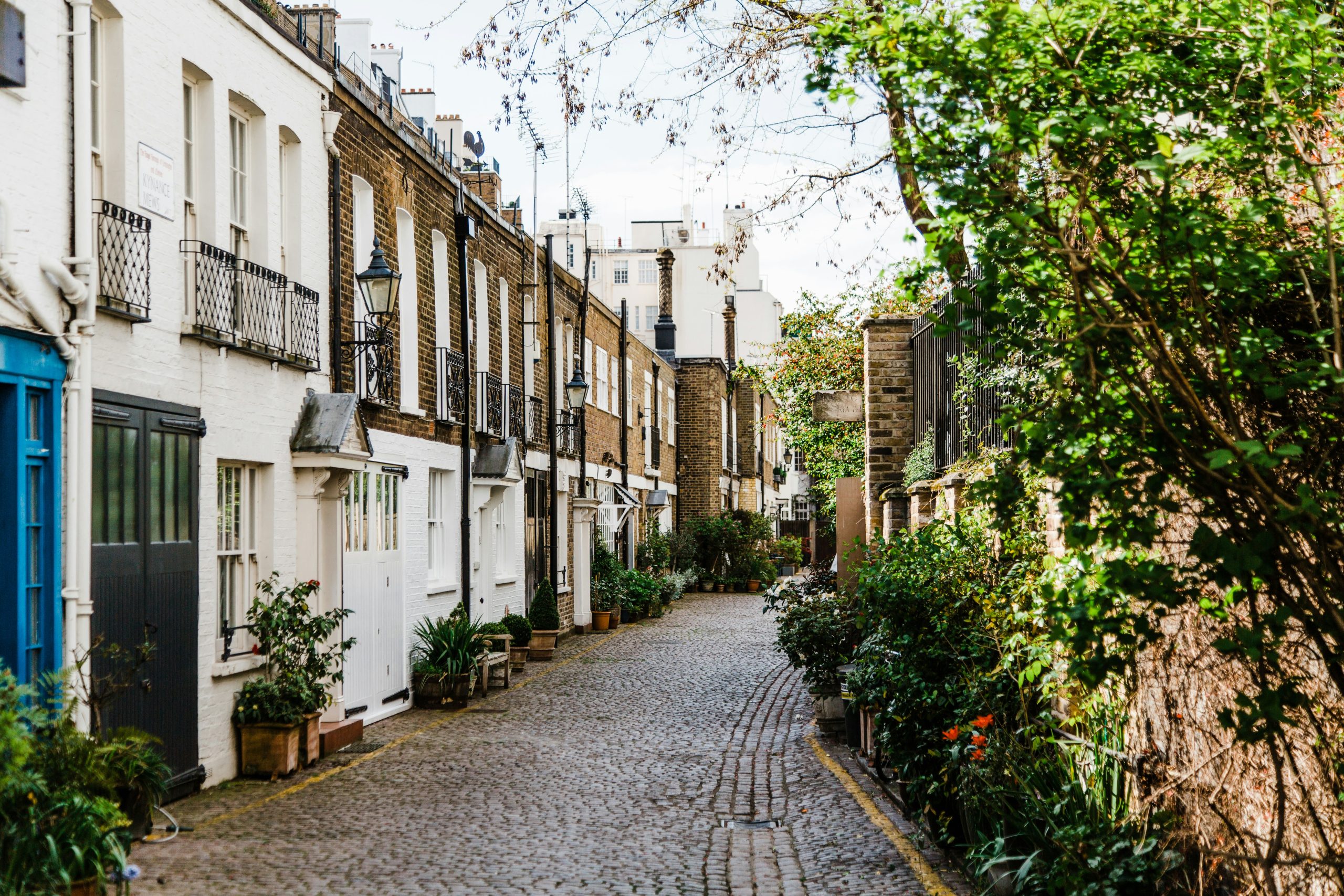

Somewhere in Britain, an estate from 1974 still sits unclaimed. Fifty-two years have passed since its owner died. No heir has stepped forward. No relative has filed a claim.
That property is one of 5,472.
New research from Weightmans, the UK law firm, reveals that unclaimed estates across Britain now total an estimated £1.48bn in value—based on average property prices of £270,259 and the 5,472 properties listed on the Government’s register as of February 2026. The figure represents a hidden fortune scattered across counties, cities, and coastal towns, waiting for heirs who may not know they exist.
London dominates the list. The capital holds 1,612 unclaimed estates, a reflection of its dense, transient population and decades of property accumulation. Surrey follows at a distance with 283, whilst the West Midlands claims third place with 253. Yet it’s the capital’s property values that transform these numbers into staggering sums.
When combined with the neighbouring Middlesex properties—an administrative relic whose estates still appear separately on the register—London’s unclaimed wealth climbs beyond £1.18bn.
That calculation relies on the capital’s average property price of £656,000, drawn from Rightmove’s latest selling figures. The total dwarfs every other region. The South East, despite holding 1,013 unclaimed estates and boasting the country’s second-highest property values, reaches only £473m in estimated worth—151% less than London’s haul.
Over half the top 20 areas sit in southern England. Wealth concentrates where property prices soar: coastal havens in East Sussex, commuter towns across Surrey, market towns dotting Somerset. The North East, by contrast, records 127 unclaimed estates valued collectively at £25.5m—the lowest regional total despite representing life-changing sums for individual families.
The regional disparity tells a story about where wealth pools and where families fracture. Yorkshire holds 414 unclaimed estates worth an estimated £103m. Wales, with 221, reaches £93m. The East Midlands: 282 estates, £77m. Each figure represents families who never materialised, relatives who never searched, or heirs who simply never knew.
Patterns emerge in the surnames too. Smith appears 94 times on the unclaimed estates list—the most common by far. Jones follows with 55 occurrences, then Brown with 45, Williams with 35, and Taylor with 29. Whether these names dominate because of population size or because families bearing them are more prone to losing touch remains unclear. What’s certain is that dozens of Smiths and Joneses have fortunes waiting.
The data arrives amid broader concerns about estate planning. Previous research from Weightmans highlighted that over half of Britons lack a will entirely. In London and the South West, that figure climbs to 57%, according to the National Wills Report. Without clear documentation, estates slip into legal limbo when no obvious next of kin emerges—a scenario that feeds directly into the unclaimed register.
Richard Bate at Weightmans noted the consequences: “Creating a will is more than just a legal necessity; it’s a critical component of financial wellness. Without a clear will, you’re leaving the fate of your assets up to the courts, which can lead to long, stressful disputes among your potential heirs. By taking proactive steps in estate planning and utilising available resources, individuals can significantly reduce the chances of their estates becoming unclaimed. Ensuring that your final wishes are clearly documented and legally protected not only secures your legacy but also eases the burden on your loved ones during a challenging time.”
The mechanics of how estates become unclaimed vary. Some deceased leave no will and no traceable relatives within the legal definitions of inheritance. Others have wills, but beneficiaries cannot be located—they’ve emigrated, changed names through marriage, or lost contact decades earlier. In cases where the Treasury Solicitor exhausts all avenues for finding heirs, the estate eventually reverts to the Crown through the ancient doctrine of bona vacantia.
Yet the list remains public, and claims can surface years later. Distant cousins discover connections through genealogy websites. Estranged relatives learn of deaths through chance encounters. Solicitors specialising in heir tracing comb through records, seeking clients who didn’t know they had inheritance rights. The 1974 estate proves that even half a century isn’t necessarily the end.
For those determined to prevent their own estates joining the register, the path is straightforward but requires action. Drafting a will allows precise control over asset distribution—beneficiaries need not be family members. Friends, partners, charities, and organisations can all inherit. Specific items, fixed sums, or percentage allocations provide flexibility to reflect personal relationships and values.
Clarity matters as much as existence. Ambiguous wording invites disputes; professionally drafted wills eliminate doubt. Executors need to know where to find the document, and beneficiaries need to know they’ve been named. A will locked in a safe that nobody knows about serves little purpose when the time comes.
The geographical concentration of unclaimed estates in southern England also reflects property market realities. Higher values mean greater stakes, but they also correlate with population mobility—areas where people move frequently, where neighbours don’t know each other, where family ties stretch thin across counties or countries. The urbanisation that drives property prices also fragments the social networks that once ensured someone, somewhere, would remember a distant aunt or know how to reach a second cousin.
By contrast, the North East’s lower property values produce smaller estimated totals, yet the 127 unclaimed estates still represent substantial wealth for the individuals entitled to them. A £201,135 average property price—the region’s figure—could clear debts, fund education, or provide security for families who never imagined they had claims to make.
The Smith with 94 unclaimed estates attached to the name likely represents dozens of unrelated individuals. Yet for genealogists and heir hunters, common surnames complicate searches. Tracing a unique name through parish records and census data proves simpler than distinguishing between generations of Smiths in the same county. The very commonness that makes these surnames appear frequently may also explain why some estates remain unclaimed—finding the right Smith among thousands proves daunting.
Weightmans’ analysis, drawn from Government statistics current to mid-February 2026 and cross-referenced with Rightmove property data, assumes that unclaimed estates mirror average property values in their regions. In reality, some will be worth far more, others significantly less. A London flat in Zone 6 differs vastly from a Kensington townhouse, yet both contribute to the average. The £1.48bn total represents an approximation—a baseline rather than a precise accounting.
What the figures cannot capture is the human cost. Behind each unclaimed estate sits a life lived, possessions accumulated, and relationships that somehow failed to translate into legal claims after death. Some reflect genuine isolation—individuals who outlived everyone they knew. Others point to family estrangements, migrations that severed ties, or simply the chaos of modern life where paperwork gets lost and connections fade.
For solicitors tracking these estates, the 1974 case remains a curiosity and a reminder. More than five decades have passed, yet the estate persists on the register. Perhaps relatives exist but remain unaware. Perhaps the deceased structured their life in ways that left no clear trail. Perhaps someone, somewhere, is entitled to a fortune they’ll never discover.
The unclaimed estates list will continue growing. People will continue dying without wills, and families will continue losing touch. Property values will shift, and regional disparities will evolve. Yet the core issue remains unchanged: wealth waiting for heirs who may never know to look.
For those with assets to protect and loved ones to provide for, the lesson is unambiguous. The will gathering dust in a drawer needs updating. The beneficiaries named need informing. The executor appointed needs preparing. Because the alternative—joining the ranks of the unclaimed, becoming another entry on a register that stretches back half a century—serves nobody’s interests except, eventually, the Crown’s.
