
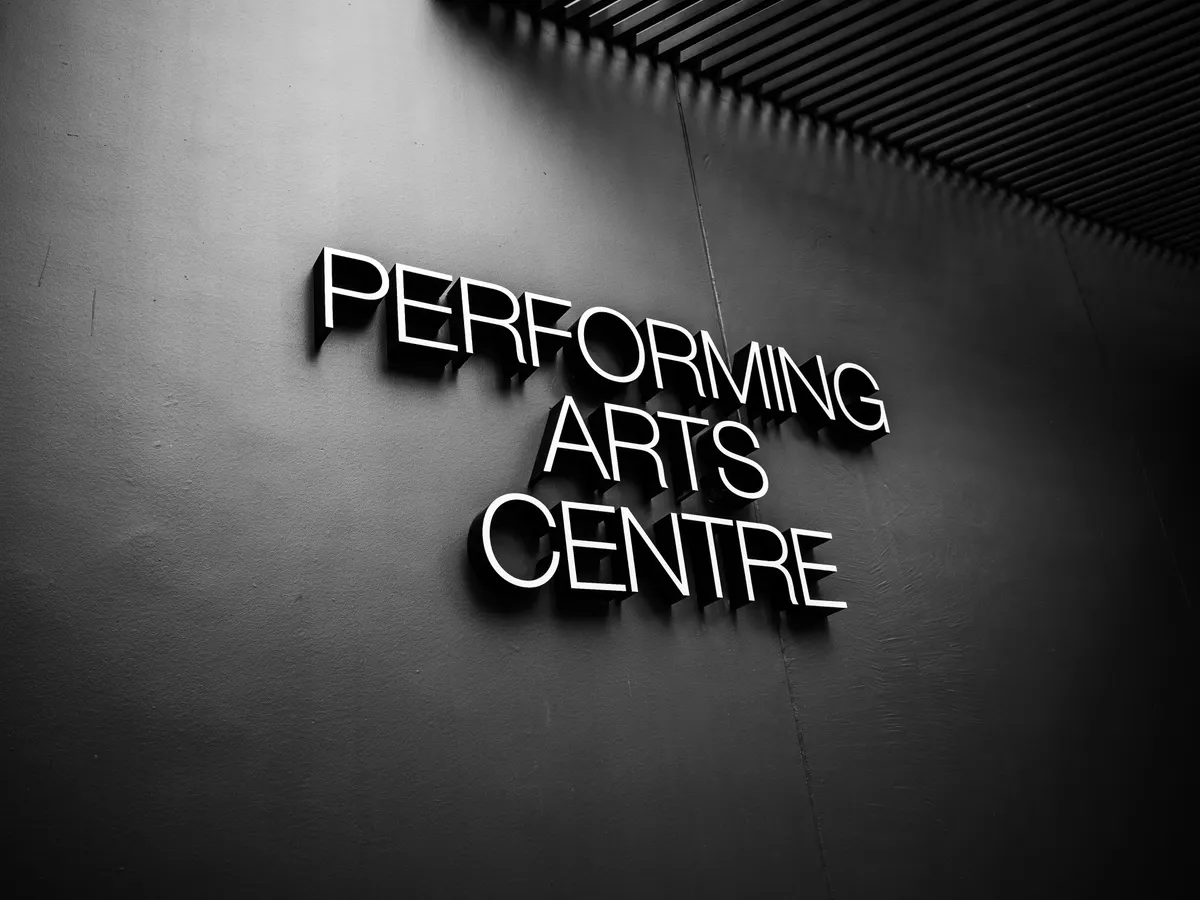

A federal judge in Washington has issued orders blocking two separate attempts to place President Donald Trump’s name on the John F. Kennedy Center for the Performing Arts, as the Kennedy Center demolition threat issued by Trump and his administration has now drawn direct judicial scrutiny in Beatty v. Trump.
Judge Christopher Cooper of the United States District Court for the District of Columbia has twice ruled against the Trump-aligned board of trustees. His most recent order, issued on Tuesday, permanently enjoined the board from inscribing ‘renovated and restored by Donald J. Trump’ on the main building or renaming the surrounding campus the ‘President Donald J. Trump Plaza.’ ‘Simply put, Defendants cannot install memorials for President Trump or anyone or anything else at the Kennedy Center without Congress’s blessing,’ Cooper wrote.
What the Statute Actually Prohibits
The legal foundation for both rulings is 20 U.S.C. § 76j, which provides that ‘no additional memorials or plaques in the nature of memorials shall be designated or installed in the public areas of the John F. Kennedy Center for the Performing Arts.’ Permitted exceptions cover plaques acknowledging gifts from foreign countries, plaques on theatre chairs or boxes, and inscriptions acknowledging major contributions in specified galleries, provided such acknowledgements were permitted under board policies in effect on 2 December 1983. None of those exceptions encompassed the trustees’ proposals.
A separate restriction, added by Congress in 2012, prohibits donor acknowledgements on the exterior of the building. Cooper had applied the same analysis in May 2026, when he blocked the board’s earlier attempt to add ‘THE DONALD J. TRUMP AND’ above the centre’s name. The Kennedy Center was created by Congress in 1964 under Public Law 88-260 as a living memorial to President John F. Kennedy, with its name codified in federal statute. Only Congress can change it.
The board had voted on 13 August 2026 on a $257 million renovation plan that would close the main building to the public for two years, with the phrase ‘Restored and Renovated by President Donald J. Trump’ to appear beneath the building’s main signage after completion, according to TheaterMania. A fuller version of the proposed signage, reported by NPR, would eventually read: ‘The John F. Kennedy Memorial Center for the Performing Arts, Restored and Renovated by President Donald J. Trump, Endowed by the Trump Kennedy Center Fund,’ with that final line added only if the fund reaches $100 million in donations. Cooper’s Tuesday order blocked both elements.
Kennedy Center Demolition Threat and the Court’s Response
That same afternoon, Trump announced the Kennedy Center had been closed ‘for Safety reasons’ to begin ‘the process of Reconstruction,’ but said the project could not proceed until the United States Court of Appeals for the D.C. Circuit reviewed Cooper’s ruling. The next day, he repeated the demolition threat publicly: ‘It’ll end up being ripped down. It’s in very, very bad shape, very dangerous shape.’
Cooper addressed the threat directly in a Thursday order, noting the ‘recent events’ and requiring the board to give plaintiffs more than 30 days’ notice before any major physical change, to ‘avoid any confusion on that score.’ PBS and the Associated Press reported that Representative Joyce Beatty had filed an emergency motion after the closure, and that Cooper, whilst declining to hold an immediate hearing, made it ‘crystal clear’ that his order prohibits demolition without the required advance notice.
Beatty’s motion described the closure as being in ‘apparent violation’ of an earlier court order, according to CNBC. Cooper ordered the Trump administration and the board to respond to her emergency request by Thursday morning, stating he would ‘schedule a prompt hearing if necessary after reviewing the response.’
The administration’s stated rationale for requiring public credit is that donors will not fund the renovation without it. Assistant Attorney General Brett Shumate argued last month that blocking the board from ‘appropriately recognising President Trump will cause donors to flee, financial contributions to dry up, and structural rehabilitation to stop.’ The Capital Building Programme for the centre had not been updated since 2021, according to Cooper’s permanent injunction ruling, with no clear record of how many recommended projects from the period 2021 to 2024 had been started or completed.
That framing sits awkwardly against the centre’s recent financial trajectory. The centre had netted a $6 million surplus in 2023, before Trump’s takeover. A draft board resolution reviewed by NBC News described the centre as being in ‘such a precarious fiscal position that it will not be able to support its payroll obligations, nor routine maintenance contracts within a matter of weeks,’ and separately warned of potential bankruptcy after it ‘exhausted its fiscal resources.’ Ticket sales and donations declined sharply following Trump’s takeover.
Meanwhile, the Kennedy Center Honors were relocated to Capital One Arena amid the ongoing dispute, as Forbes reported. On the legislative side, the Kennedy Center Protection Act (H.R. 6925), introduced on 23 December 2025 in the 119th Congress, would require removal of any signage deviating from the statutory name and would further restrict board authority over naming. The bill has not been enacted.
The next legal juncture is the D.C. Circuit, where Trump has said the renovation cannot begin unless Cooper’s injunction is reversed. If the appellate court upholds the order, subject to any further onward appeal, the administration’s threat to let the building deteriorate or be demolished will confront the same statutory constraints that have blocked it twice already.
